


ls127 - Sylloge Nummorum Romanorum - Italia - Monetiere del Museo Archeologico Nazionale di Firenze - Volume VIII M. Aurelius - L. Verus - Commodus DE NICOLA Antonia

60.00 €约 459.00 CNY
数量
加入购物车

作者 DE NICOLA Antonia
出版者 Edizioni d'Andrea
语言 Italien
描述细节 Roseto degli Abruzzi 2026, relié, (21,7 x 30,5 cm), 268 pages, 391 monnaies décrites, illustrations en couleur
重量 1400 g.
评论
The period under consideration is particularly interesting, as it covers a crucial phase in Roman history: namely, the end of succession through the system of adopted emperors and the return to direct dynastic succession.
This would mark the beginning of Rome’s true decline; having reached its zenith (not only militarily) under Marcus Aurelius, it would begin its slow decline under Commodus.
Il periodo preso in esame è decisamente interessante, in quanto tratta una fase fondamentale della storia romana, ovvero la fine della modalità di successione tramite il sistema degli Imperatori di adozione e la ripresa dinastica diretta.
Ciò determinerà l’inizio del vero decadimento di Roma, che con Marco Aurelio aveva visto il suo massimo splendore (non solo militare), ma che con Commodo inizierà il suo lento declino.
The period under consideration is particularly interesting, as it covers a crucial phase in Roman history: namely, the end of succession through the system of adopted emperors and the return to direct dynastic succession. This would mark the beginning of Rome's true decline; having reached its zenith (not only militarily) under Marcus Aurelius, it would begin its slow decline under Commodus. The current period is definitely interesting, as it is a fundamental phase of the Roman story, it is the end of the succession process that follows the system of adoption and the direct dynamic response. To determine the beginning of the future of Rome's decadence, it was with Marco Aurelio that I saw its great splendor (non-military), but I started with the Commodo in its slow decline.
This would mark the beginning of Rome’s true decline; having reached its zenith (not only militarily) under Marcus Aurelius, it would begin its slow decline under Commodus.
Il periodo preso in esame è decisamente interessante, in quanto tratta una fase fondamentale della storia romana, ovvero la fine della modalità di successione tramite il sistema degli Imperatori di adozione e la ripresa dinastica diretta.
Ciò determinerà l’inizio del vero decadimento di Roma, che con Marco Aurelio aveva visto il suo massimo splendore (non solo militare), ma che con Commodo inizierà il suo lento declino.
The period under consideration is particularly interesting, as it covers a crucial phase in Roman history: namely, the end of succession through the system of adopted emperors and the return to direct dynastic succession. This would mark the beginning of Rome's true decline; having reached its zenith (not only militarily) under Marcus Aurelius, it would begin its slow decline under Commodus. The current period is definitely interesting, as it is a fundamental phase of the Roman story, it is the end of the succession process that follows the system of adoption and the direct dynamic response. To determine the beginning of the future of Rome's decadence, it was with Marco Aurelio that I saw its great splendor (non-military), but I started with the Commodo in its slow decline.
 对产品描述纠错
 打印
打印 分享我的选择
 提问
提问Your Recently Viewed Items
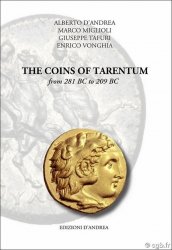
The coins of Tarentum - from 281 BC to 209 BC D'ANDREA Alberto, MIGLIOLI Marco,
100.00 €
Zéla sous l'Empire Romain : étude historique et corpus monétaire - Numismatic
30.00 €
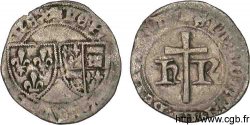
HENRY VI OF LANCASTER Petit blanc aux écus 4/06/1423 Le Mans VF
182.94 €
cgb.fr 集币


